Blog ·
How Annual Weather Patterns Shape Your Solar Panel Performance
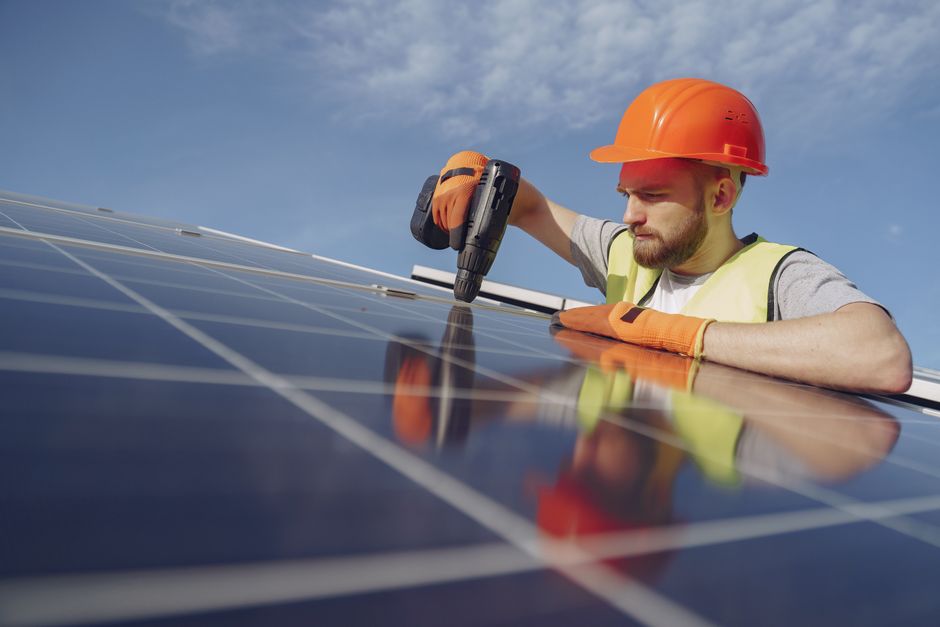
When you invest in a residential solar system with Cestuizo, understanding how weather affects your panels throughout the year helps you maximize your return on that investment. While solar panels work in all climates, weather patterns create natural fluctuations in performance—and knowing what to expect keeps you informed and satisfied with your system's output.
Seasonal Performance Variations
Your solar panels generate the most electricity during summer months when days are longer and the sun sits higher in the sky. From June through August, most homes in temperate climates see peak performance, often exceeding your daily energy needs. This is why our custom solar design process includes analyzing your local seasonal patterns to size your system appropriately for year-round balance.
Winter brings shorter days and lower sun angles. Despite this, modern panels still generate significant power on clear days. The key difference is consistency—winter weather patterns often mean more cloudy days, reducing overall monthly output. This seasonal dip is exactly why battery storage becomes valuable for homeowners committed to energy independence.
Cloud Cover and Diffuse Light
Contrary to common myths, your panels don't stop working on cloudy days. Diffuse light still activates solar cells, typically producing fifteen to thirty percent of peak capacity on heavily overcast days. However, extended cloud cover during winter or spring can noticeably reduce output. Our custom solar design accounts for your region's typical cloud patterns to set realistic expectations for performance.
Temperature Effects Often Surprise Homeowners
Here's something many people overlook: solar panels actually perform less efficiently when extremely hot. While desert locations have intense sun, panels operating at high temperatures generate less electricity per kilowatt than the same panels in mild weather. Seasonal temperature swings mean your spring and fall output can rival summer performance, even with fewer daylight hours.
Rain and Snow Considerations
Rain actually benefits your system by cleaning dust and pollen from panel surfaces. Snow is temporary—panels warm up quickly and shed snow naturally. Heavy snow accumulation might briefly reduce output, but this rarely causes concern for homeowners in regions that experience snow.
How Battery Storage Bridges Weather Gaps
Battery storage solves the weather performance puzzle. By capturing excess summer production and storing it, you maintain steady power availability through cloudy winters or unexpected weather patterns. Battery backup also protects against grid outages during storms, keeping your home powered when external weather impacts your utility service.
At Cestuizo, we design custom systems that account for your specific local weather patterns. Understanding these seasonal rhythms transforms you into an informed homeowner who appreciates how your solar investment adapts to nature's cycles.