Blog ·
Maintaining Your Solar System for Reliable Long-Term Performance
Routine Cleaning and Inspection
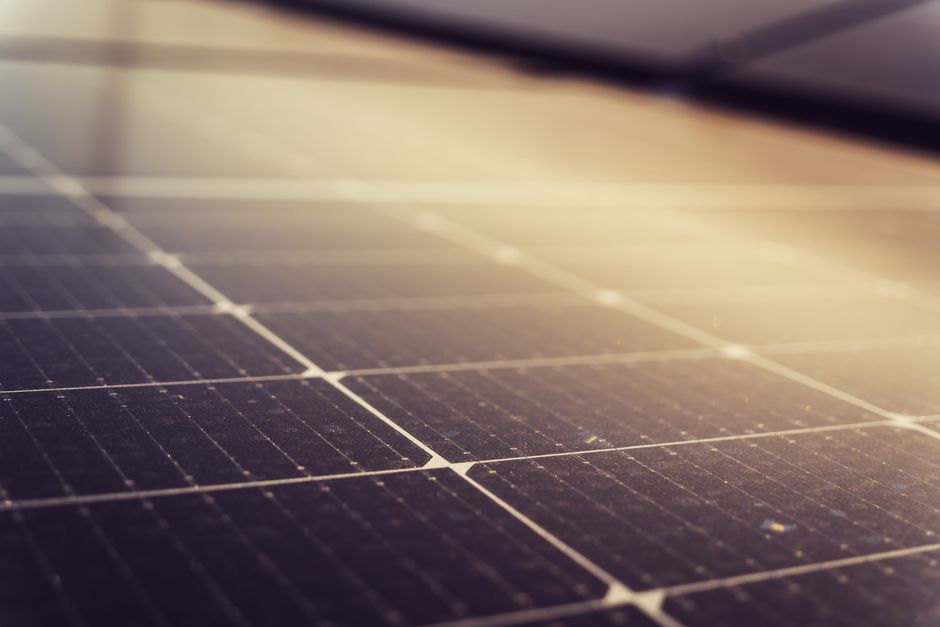
Solar panels require minimal maintenance, but occasional cleaning improves output significantly. Dust, pollen, bird droppings, and other debris accumulate on panel surfaces, reducing light absorption. In most regions, seasonal rainfall provides adequate cleaning. However, arid climates or areas near dust sources may require manual cleaning two to four times yearly. Use soft water and avoid abrasive materials that scratch the protective glass surface.
Visual System Inspections
Examine your system quarterly for visible issues. Look for loose mounting hardware, animal damage, or debris accumulation around the panels and inverter. Check that interconnecting wires remain secure and protected from weather exposure. Caulking around roof penetrations should remain intact to prevent water leaks. These simple visual checks catch problems before they affect system performance.
Monitoring System Performance
Your monitoring system is your first line of defense. Review monthly energy production reports and compare them to previous months and years. Unexpected drops in output often indicate problems. Shading from overgrown vegetation frequently causes gradual efficiency loss. Trimming nearby tree branches that have grown to shade your panels maintains consistent performance.
Professional Maintenance Check-Ups
Most solar systems benefit from professional inspection every two to three years. Technicians test electrical connections, verify proper grounding, check inverter function, and inspect structural components. They can identify issues invisible during casual observation, such as degraded wiring, loose connections, or failing components. Addressing these problems early prevents costly system failures.
Managing Vegetation Around Your System
Trees and shrubs can shade panels as they grow over years. Schedule regular tree trimming to maintain clear sightlines to the southern sky. Similarly, ensure gutters and roof areas stay clear of leaves and debris. Proper vegetation management preserves the unobstructed access your panels need for optimal performance.
Protecting Against Environmental Damage
Your photovoltaic system withstands extreme weather—hail, high winds, and snow loads included in professional design calculations. However, after severe storms, inspect your system for physical damage. Fallen branches, loose connections, or cracked panels should be addressed promptly by qualified technicians.
Planning for Component Replacements
Solar panels typically last 25 to 30 years, but inverters typically need replacement after 10 to 15 years. Monitoring costs helps you plan for future component replacements. Understanding these timelines lets you budget accordingly and avoid system downtime.
Proper maintenance ensures your solar investment continues delivering clean energy for your home for decades to come.